
Skip to content
Beginner Tips

How to Start Gym Workouts as a Beginner

Starting at the gym can feel overwhelming, but a simple, repeatable plan makes it easier. Learn how to prepare, structure your first workouts, progress safely, and build a routine you can maintain.

By Velocity Gym
· 3 min read
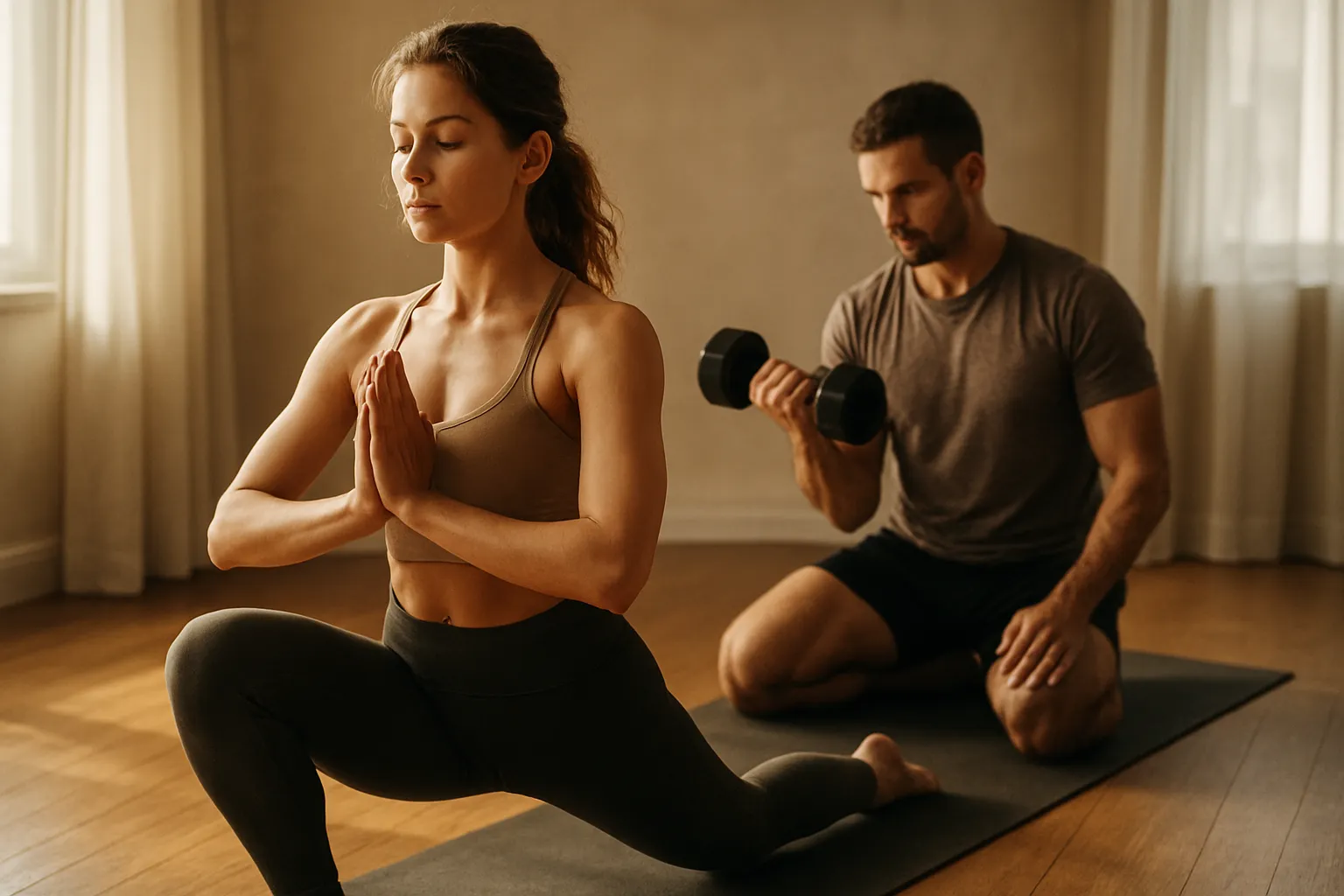
Photo illustrating: How to Start Gym Workouts as a Beginner

Starting a gym routine is less about doing everything at once and more about learning the basics consistently. This guide is for beginners who want a practical way to feel more comfortable, choose sensible exercises, and build momentum without making every session exhausting.

You will learn how to prepare for your first visit, structure a balanced workout, use progressive training principles, and support your effort with recovery habits. If you have an injury or medical concern, speak with a qualified healthcare professional before beginning exercise.

Key takeaways

  • Start with a simple full-body routine you can repeat consistently.
  • Learn equipment setup and movement technique before increasing resistance.
  • Progress gradually and track small improvements over time.
  • Use sleep, food, hydration, and rest to support recovery.
  • Stop and seek guidance if an exercise causes sharp or persistent pain.

Before your first gym session

Choose a few realistic training days and allow enough time for a warm-up and cool-down. Wear comfortable clothing, bring water, and start with an intention to learn rather than to prove how much you can lift.

A trainer can show you how to adjust equipment and perform unfamiliar movements. Begin with light resistance that lets you control the full movement and maintain good posture.

A simple beginner workout structure

A balanced session can include a warm-up, full-body strength exercises, optional gentle cardio, and a cool-down. Start with movements that train the major patterns of the body rather than filling your workout with many similar exercises.

  • Warm up with easy walking, cycling, or mobility movements.
  • Practice a squat or leg press, a pushing movement, a pulling movement, and a simple core exercise.
  • Perform controlled repetitions and rest when your form begins to deteriorate.
  • Finish with a few minutes of easy movement and relaxed stretching.

How often and how hard to train

Two or three full-body sessions per week can be a manageable starting point, with rest or light activity between demanding workouts. Keep the effort challenging but controlled; you should usually be able to complete the planned movement without straining or losing technique.

Soreness is not the only sign of progress. Better control, improved energy, completing sessions consistently, and gradually handling more work are all useful signals.

Progress safely over time

Once an exercise feels familiar and your form remains steady, progress gradually by adding a small amount of resistance, a repetition, or another set. Change only one variable at a time so you can tell how your body responds.

Keep a simple record of your exercises, resistance, repetitions, and how the session felt. If pain is sharp, persistent, or different from ordinary muscle fatigue, stop the movement and seek appropriate guidance.

Recovery habits that support training

Fitness progress depends on what happens between workouts as well as during them. Make sleep, regular meals, hydration, and rest part of your plan. Gentle walking or mobility work can be useful on recovery days, but avoid turning every day into a hard training day.

Setbacks are normal. If you miss a session, return to your next planned workout instead of trying to compensate with an exhausting session. A routine that fits your life is easier to maintain.

Frequently asked questions

How many days a week should a beginner go to the gym?

Two or three planned full-body sessions per week is a practical starting point for many beginners. Adjust the schedule around your recovery, experience, and other activities.

How long should a beginner workout last?

There is no required minimum. A focused session with a warm-up, several basic exercises, and a cool-down can be enough. Prioritize quality and consistency over staying longer.

Should I do cardio or strength training first?

If improving strength or learning lifting technique is your priority, do those exercises after a short warm-up and before longer cardio. You can reverse the order when cardio is your main goal.

Is muscle soreness necessary for progress?

No. Progress can come from improved technique, consistency, strength, stamina, mobility, and everyday energy without intense soreness.

What should I do if I do not know how to use a machine?

Ask a trainer to demonstrate the setup and movement. Use a light resistance while learning, and stop if you cannot maintain controlled technique.

Start Your Fitness Journey

Visit Velocity Gym in Coimbatore for supportive trainers and a beginner-friendly plan tailored to your goals.

Velocity Gym
Join Velocity Gym in Coimbatore for expert trainers, modern equipment, and personalized programs that deliver real results.
Our services →
Share this article WhatsApp LinkedIn
← All posts